
French police have caused dozens of deaths through violent tactics against small boats attempting to reach the French overseas territory of Mayotte. Similar measures are now being considered for the English Channel.
Security forces in France have employed deadly methods to prevent small vessels from reaching Mayotte. These practices include circling overloaded boats and deliberately colliding with them, sometimes capsizing the craft.
A year-long investigation conducted with Le Monde, Der Spiegel, The Times, and Arte reveals that French authorities are directly responsible for at least 24 deaths or disappearances, including pregnant women and children, during interceptions at sea off Mayotte. The documented cases span from 2007 to July 2025.
The findings come as Paris, under pressure from London, announces plans to allow French forces to intercept migrant boats in the English Channel—a move sparking concern among search and rescue teams, police unions, and government officials.
Each year, tens of thousands attempt the crossing from the nearby Comorian island of Anjouan, seeking better work, healthcare, and education on Mayotte, located off Africa’s east coast. Since 1995, an estimated 10,000 people have drowned making the journey.
Police Tactics at Sea
Investigators collected 20 detailed survivor testimonies, including accounts from recent shipwrecks, as well as interviews with former smugglers, local residents, and children who made the crossing. Many described enduring trauma.
The team also reviewed judicial and administrative records, police and gendarmerie reports, which confirmed collisions between police vessels and migrant boats. Confidential interviews with six serving and former French officials posted to Mayotte corroborated that aggressive tactics were routine.
Official statistics and records from Mayotte’s prefecture, maritime surveillance centers, and court archives allowed reporters to identify at least 24 deaths linked to interceptions since 2007. Together, the evidence shows a consistent pattern: while authorities publicly frame operations as rescues, insider accounts, documents, and witness testimonies reveal that dangerous interception practices were common.
Survivor Accounts
On 15 July 2025, a small fishing boat, or kwassa, carrying 27 passengers—including children and elderly travelers—approached Mayotte after a ten-hour journey from Anjouan. The voyage ended in tragedy.
Zoubert*, 25, had boarded the kwassa to return to Mayotte. “Our boat tore apart, everyone fell into the sea,” he recalled. “The officers waited 15 seconds before reacting. Everyone was screaming. They watched us drown.” He says he saw a teenage girl and an elderly man disappear beneath the water.
Ahamada*, 24, was traveling with his young niece and nephew. When the police rammed the boat from behind, he saw his four-year-old nephew sink. “If they had let us land, they could have arrested us without killing people,” he said.
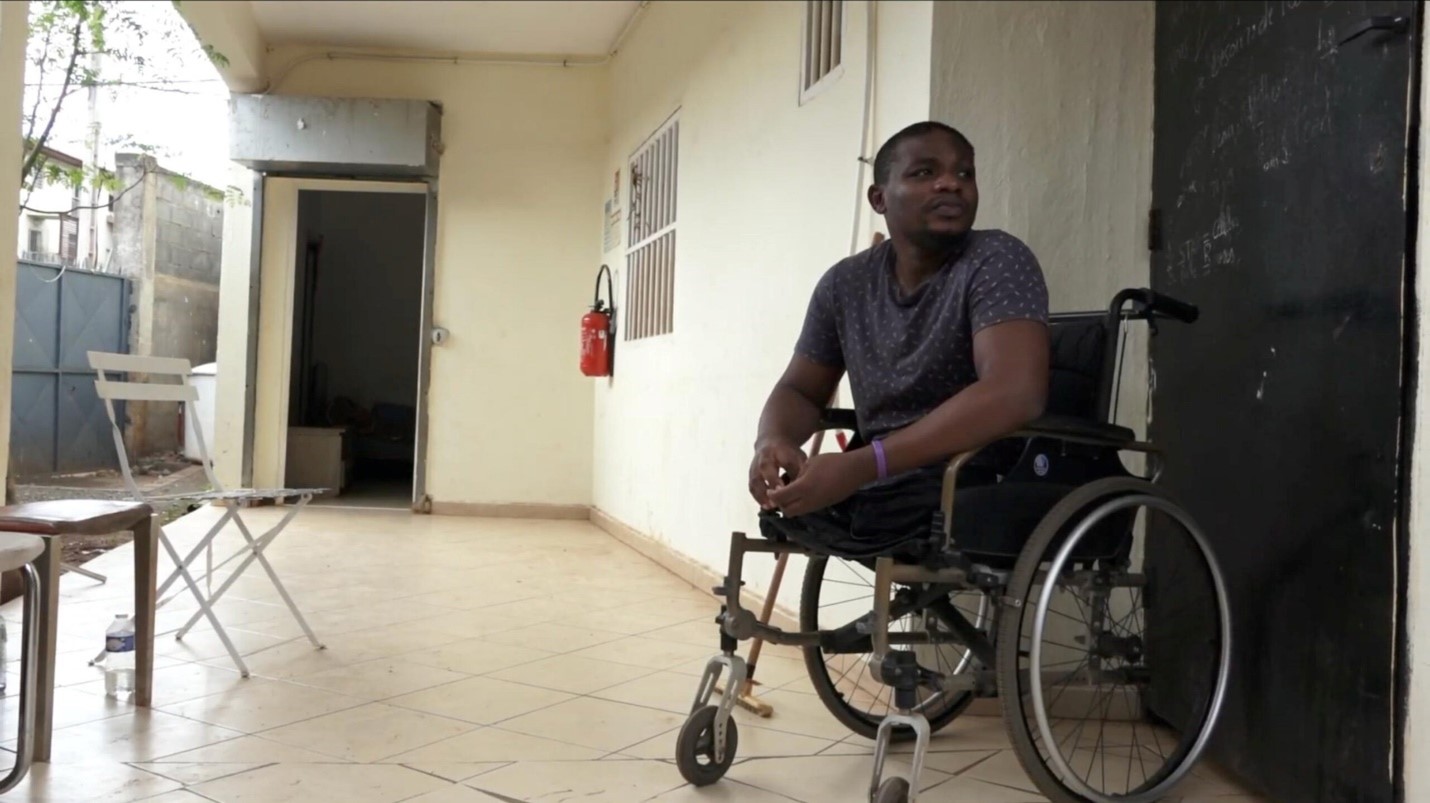
Farid Djassadi, 31, lost both legs after the engine of a police vessel struck his boat, throwing him overboard. Court records note that the police boat’s permit had expired and the officers lacked proper training. Despite multiple investigations, prosecutions have mostly targeted smugglers, not security forces.
Other survivors described police circling boats to churn waves until water flooded the fragile vessels or deliberately colliding with bows to destabilize them. Six officials from interior and defense ministries confirmed the use of collisions and wave-making as a standard tactic.
One senior gendarme explained, “We get behind the boat, into its wake, and then we go after it. Once we’re in their trail, they stop because their lives are at risk—but if they keep going, we are forced to ram them.” Another officer admitted that steering in S-shaped movements to create waves is sometimes used, even if it risks capsizing the kwassas.
A former maritime official, who served 15 years in Mayotte, criticized police units’ lack of training. “They get three weeks at best, then shadow colleagues. They’re sent out without the skills needed,” he said.
Policy Shift and Risks
France has announced it will allow boarding of boats leaving its northern coast for Britain, conceding to London amid record crossings. Authorities had resisted such measures for years, warning that aggressive interceptions posed serious risks. Hervé Berville, then Secretary of State for the Sea, wrote to Prime Minister Gabriel Attal in 2024, describing them as “ineffective and dangerous,” potentially causing “mass drownings.”
Nevertheless, the Interior Ministry argued that standard rescue operations were insufficient amid over 28,000 crossings since the start of the year. A senior official said the new approach envisions encircling boats to stop or turn them back mid-sea.
The Mayotte investigation offers a warning: for over two decades, aggressive interception tactics—including collisions, wave-making, and ramming—have been used in the Indian Ocean, claiming at least 24 lives.